























Europe is stitched together by hundreds of high-speed motorways but many of these come with a cost attached. For anyone taking a road trip understanding how these charges are applied is just as important as planning your stops or mapping your route.
Rather than thinking of Europe’s toll roads as one unified network, it helps to imagine a series of separate systems that happen to touch at the borders. Some rely on stickers, some on cameras, and others on old-style ticket booths. Knowing which system you’re entering before you cross into a new country can prevent fines and unnecessary admin charges later.
Why Do Toll Road Exist?
Most European toll routes are specifically designed to give drivers a faster, more efficient alternative to winding regional roads. In exchange, drivers contribute to the upkeep of long tunnels, mountain passes, major bridges and large stretches of high-quality motorway.
Three Ways Europe Charges Drivers
Instead of separating countries, it’s easier to think of Europe’s toll systems in categories. Each country uses one or more of these.
1. Pay-on-the-Spot
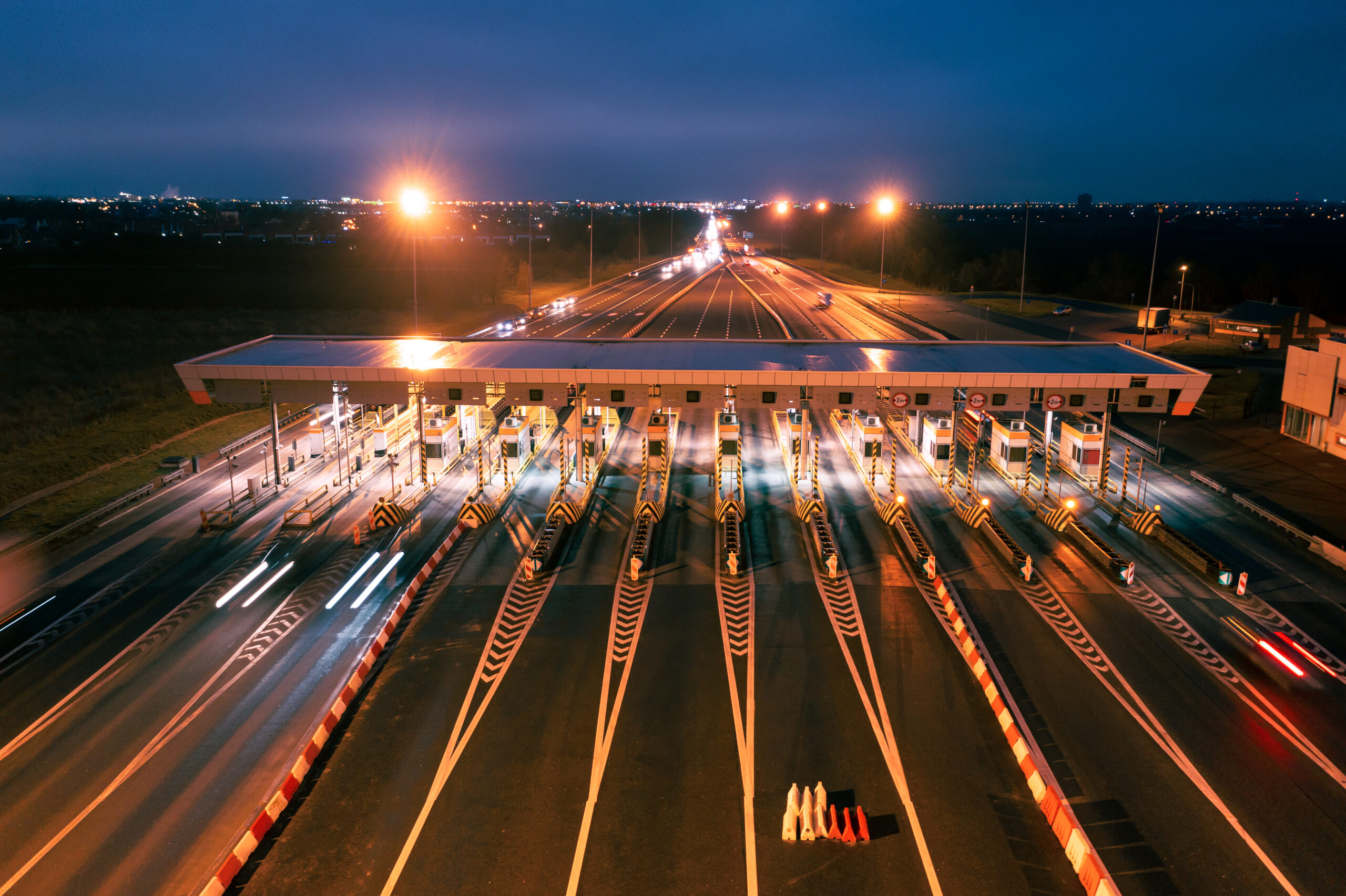
This is the most familiar and common set-up. You slow down, take a ticket or pay directly, and continue your journey. This sort of booth you’ll come across in France, Italy, Spain, Norway and Croatia.
The way this toll works can depend on the road. Some roads will issue a ticket at the start and ask you to pay upon exiting the road. Others have flat-fee plazas which you must pay immediately.
Payment options also differ with some booths accepting cash, others will only want you to use card or contactless payments.
2. Electronic Passes and Transponders
Instead of needing to stop, cars will pass beneath gantries that register either a tag or a sticker on the windscreen. You’re likely to encounter these types of toll booths in Portugal, Spain, Italy and France.
If your rental car has a tag fitted, you will be billed automatically. There’s no way to opt out as the gantry will read your tag whether you intend it or not.
There will some stretches of road that are exclusively electronic. Miss the sign and you still would have driven through a tolled section.
3. Vignettes and Digital Access Permits
These are not toll booths at all – they are pre-purchased passes that allow you to use the motorway network. Countries that require these are Austria, Switzerland, Czech Republic, Slovakia and Hungary.
There are two different formats of vignette: a physical sticker on the windscreen and a digital registration linked to your number plate.
Most rentals in these countries with a vignette already supplied but you should ask the counter so you avoid accidental penalties.
Final Thoughts
Driving a rental car through different toll systems can feel confusing but knowing in advance where you might come across a toll road by using a website like TollGuru as well as knowing how each type of toll operates will help you feel more prepared. And don’t forget your excess insurance policy for rental cars! Although this will not cover unpaid toll fines, it can reimburse you up to £12,000 if the rental car is damaged or stolen.

Comments are closed